
Summer sale · Ships free todaySale ends in --:--:--
Cold Plunge Experts logo
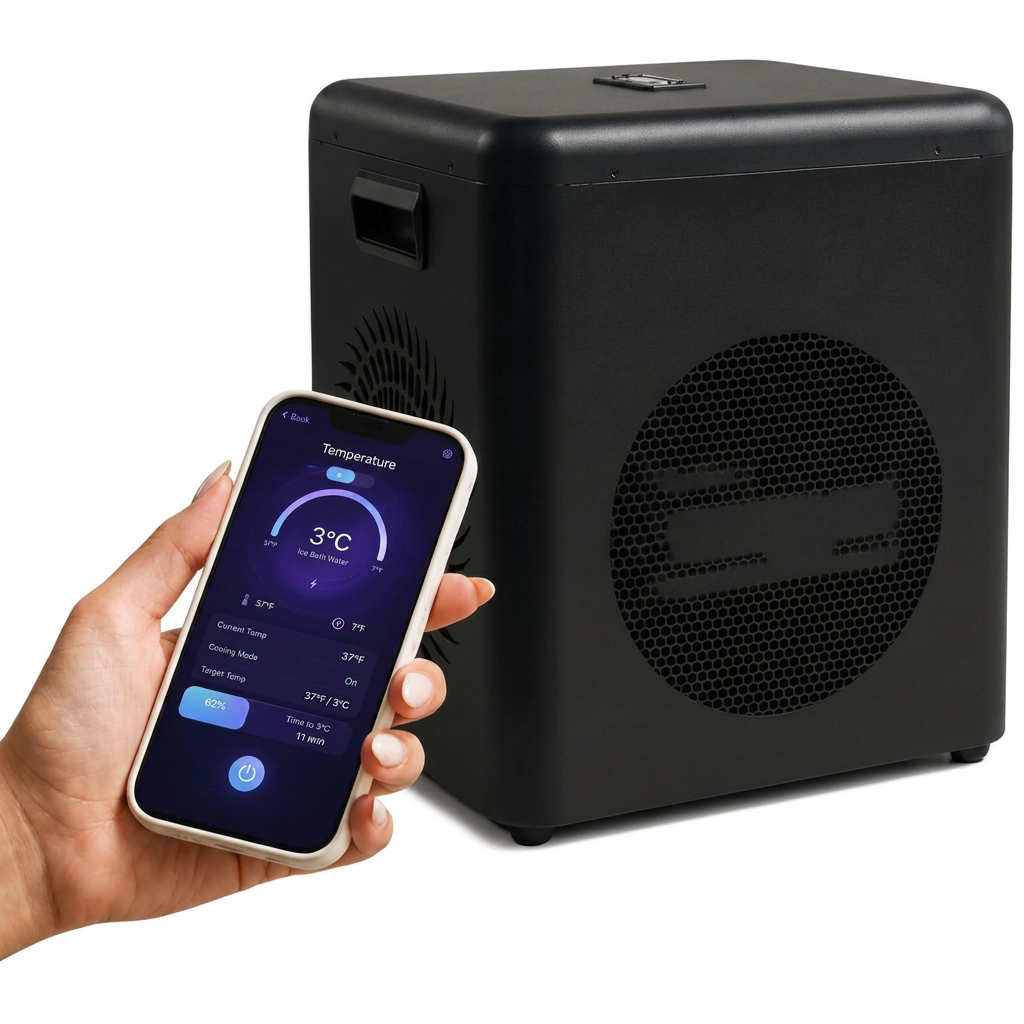
Pod Chiller 2.0 — WiFi App Control, 37°F, 145 GPH Filtration — Coldest in the lineup — control from your phone, schedule plunges, monitor in real time.

Pod Chiller 2.0 — WiFi App Control, 37°F, 145 GPH Filtration

Coldest in the lineup — control from your phone, schedule plunges, monitor in real time.

$1,299
Smart control 37°F coldest 145 GPH filtration
Free shipping
1-year warranty
30-day returns

The details.

Our flagship chiller. The Pod Chiller 2.0 is the coldest and most connected unit in our lineup — cooling plunge water to a verified 37°F, with a 145 GPH built-in filtration and circulation system that keeps water crystal clear between drains. Adjust set points, monitor real-time water temp, and dial in your protocol from your phone over Bluetooth, without ever leaving the couch. Engineered for daily operation, quiet enough for indoor placement, and sized to handle every tub in our lineup — including the XXL 216.

Who it's for: Data-driven plungers, biohackers, coaches, and anyone who wants a fully-automated cold recovery routine.

Specifications

Dimensions
19" L × 14" W × 20" H
Capacity
Sized for every tub in the lineup — including the XXL 216
Material
Premium powder-coated steel housing, titanium heat exchanger, insulated hoses
Temperature range
37°F cool set point · full-color display + smartphone app
Setup time
Under 15 minutes — connect hoses, plug into 120V, pair the app
Weight (empty)
68 lbs
Water capacity
Fits all tubs — engineered for XXL 216 and hot climates
Warranty
1-year manufacturer warranty

Benefits

  • Coldest set point in our lineup — 37°F, verified
  • Control water temp from your phone via Bluetooth — no walk-outs to check
  • 145 GPH built-in filtration & circulation — the cleanest water we sell
  • 20-micron dual filtration system keeps water clear far longer between drains
  • Energy-conscious daily operation with low-noise performance
  • Plug-and-plunge setup — standard 120V outlet, no plumbing or specialized tools

What's included

  • Pod Chiller 2.0 unit
  • Built-in 145 GPH filtration + circulation pump
  • Two insulated connection hoses with fittings
  • Onboard full-color display
  • iOS + Android smartphone app (Bluetooth pairing)
  • Standard 120V power cord
  • User manual

Shipping

Free shipping to all 50 US states. Ships in 2–3 business days from our fulfillment center. Delivery in 5–7 business days by standard ground.

Warranty

1-year manufacturer warranty. Covers seam separation, pump failure, and manufacturing defects. 30-day money-back guarantee if the plunge isn't for you.

FAQ

How does the app control work?

The Chiller 2.0 pairs with your phone over Bluetooth. Set your target temperature, monitor real-time water temp, and adjust protocols from the iOS or Android app.

How is the filtration different from the Standard and Pro?

The 2.0 includes a 145 GPH built-in circulation and filtration pump — significantly more flow than the Standard or Pro — plus a 20-micron dual filtration system for extended clarity between water changes.

How cold does it really go?

37°F verified cool set point. Real-world minimum depends on ambient temperature, tub insulation, and how sealed the lid is during operation.

Will it fit my tub?

Yes — it's compatible with the Ice Pod Pro, Long Pod, XXL 216, and most other inflatable plunges with standard ½″ inlet/outlet valves.
You might also like

What to expect from the Pod Chiller 2.0 — WiFi App Control, 37°F, 145 GPH Filtration

Everything we sell is built for daily use in a home environment. That means reinforced seams and drop-stitch construction on the tubs, food-grade PVC liners, insulated lids that hold overnight temperature within a few degrees, and chillers built around commercial-grade titanium heat exchangers rather than the copper coils common in cheap imports. The result is equipment that keeps working after 300+ sessions instead of failing at month six.

Setup, care, and longevity

Inflatable tubs live outdoors year-round in most climates when set up correctly — see the maintenance guide for a full walkthrough. Basic upkeep is a weekly filter rinse, a monthly full drain and wipe-down, and either a chlorine tab or hydrogen peroxide dose to keep the water clear. Skip the maintenance and biofilm builds up within a month; stay on top of it and the water stays clear for weeks between changes.

Which chiller to pair

If you're buying a tub without a chiller, plan to add one within your first three months — the ice-cost math tips over fast at four or more plunges per week. Our full lineup lives on the shop page, and each city guide in our delivery directory recommends a specific tub-plus-chiller combination based on the local climate.

Delivery and support

Free tracked shipping across the continental US on every order. Warranty support, replacement parts, and setup questions are handled directly through our contact form. Read the reseller disclosure for stock-availability terms.

The science behind cold water immersion

Cold water immersion works through three overlapping mechanisms. The first is peripheral vasoconstriction: exposure to water below roughly 60°F triggers the sympathetic nervous system to shunt blood away from the skin and extremities toward the core, which reduces localised inflammation and swelling in the limbs. The second is a norepinephrine surge — cold exposure at 40–50°F reliably raises circulating norepinephrine two- to threefold, an effect that contributes to the subjective mood, focus, and alertness benefits most plungers report. The third is a mild hormetic stress response: repeated, controlled exposure to a physical stressor produces adaptive changes in mitochondrial density, brown adipose tissue activity, and glucose handling that persist between sessions.

None of these effects require heroic temperatures. Peer-reviewed literature on cold water immersion consistently shows that the majority of the physiological adaptation happens between 50°F and 59°F — a range that is genuinely uncomfortable for the first ninety seconds but achievable without ice for most of the year in most climates. Chasing sub-40°F temperatures produces marginal additional benefit at the cost of a much steeper compliance curve. The plungers who stick with the practice for years are almost always the ones who found a temperature they could get into three or four times a week without dread.

Protocol: temperature, duration, and frequency

A workable starting protocol for most adults is two minutes at 55°F, three times per week, for the first two weeks. Once the initial shock response settles — you'll notice the gasp reflex fading around session six or seven — extend to three minutes and drop temperature by five degrees. By the end of month one, most users are comfortable holding three to five minutes at 48–52°F. Beyond that point, additional duration produces diminishing returns and increased risk of afterdrop, the delayed core temperature decline that can leave you cold for hours after exiting.

Timing relative to exercise matters more than most first-time buyers realize. Immediate post-lifting cold immersion (within an hour of resistance training) reliably blunts the mTOR signalling that drives muscle protein synthesis, so lifters chasing hypertrophy should either plunge on rest days or wait at least four to six hours after training. Endurance athletes, mixed-modal trainees, and anyone plunging primarily for recovery from soreness or mental-health benefits can plunge immediately post-session without meaningful downside. Morning plunges on an empty stomach are generally well-tolerated and produce the strongest subjective focus and mood response.

Equipment: what actually matters over 12 months

The single specification that determines whether a tub is still in use after a year is insulation. A tub with a good insulated lid holds cold overnight; a tub without one loses ten to fifteen degrees between sessions and turns into a chore. Every tub we sell ships with a matching insulated lid, a reflective outer cover, and a repair kit — the three components most commonly sold as expensive add-ons elsewhere. Drop-stitch construction (versus single-layer PVC) is the second thing to check: it keeps the tub walls rigid enough that you can lean back without collapsing the structure and doubles typical seam life.

Chillers are a separate decision. For two or three plunges per week, ice is genuinely cheaper for the first year — a $150 chest freezer plus $10/week in ice will beat a $500 chiller until roughly month eighteen. Above four sessions per week, the arithmetic flips hard: chillers eliminate the ice run, hold temperature indefinitely, and open the door to features like scheduled cooling and app-based temperature control. Our three chillers cover the practical range of home use, from single-user occasional plunging up to multi-user daily protocols in hot climates.

Water treatment is the last piece most buyers underestimate. Untreated tub water grows a visible biofilm inside two weeks. A weekly chlorine tab (2–3 ppm free chlorine) or a hydrogen peroxide dosing schedule keeps the water clear for one to two months between full drains. Ozone and UV systems can extend that further but are optional; the free maintenance kit that ships with every order covers the first six months of treatment.

Pod Chiller 2.0 — WiFi App Control, 37°F, 145 GPH Filtration — $1,299
Online checkout